There was a time when outdoor areas were considered secondary to the home itself. Today, they are central to modern living. Homeowners are increasingly viewing patios, decks, and gardens as natural extensions of their interiors, offering spaces for relaxation, dining, and connection.
At CoreStone, we’ve seen how investing in quality outdoor construction pays off. These projects not only improve quality of life but also increase resale value and curb appeal. Whether you have a small backyard or a large property, the key lies in thoughtful design and solid craftsmanship.
Here’s how to plan and build outdoor spaces that bring lasting value to your home.
1. Start With a Purpose
Every successful outdoor project begins with a clear purpose. The way you plan the space will depend on how you intend to use it.
Ask yourself these questions:
- Do you want a quiet retreat for reading and coffee in the morning?
- Will the area be used for entertaining friends and family?
- Do you need room for dining, cooking, or recreation?
Defining purpose ensures that every design choice, from materials to layout, supports your goals. A small urban home may benefit from a compact patio with vertical gardens, while a suburban property might call for a multi-zone layout with seating, cooking, and open green space.
A clear purpose also helps your contractor recommend the right features. For example, if your goal is year-round use, incorporating covered areas or heating elements will maximize comfort and practicality.
2. Create a Cohesive Design With the Home
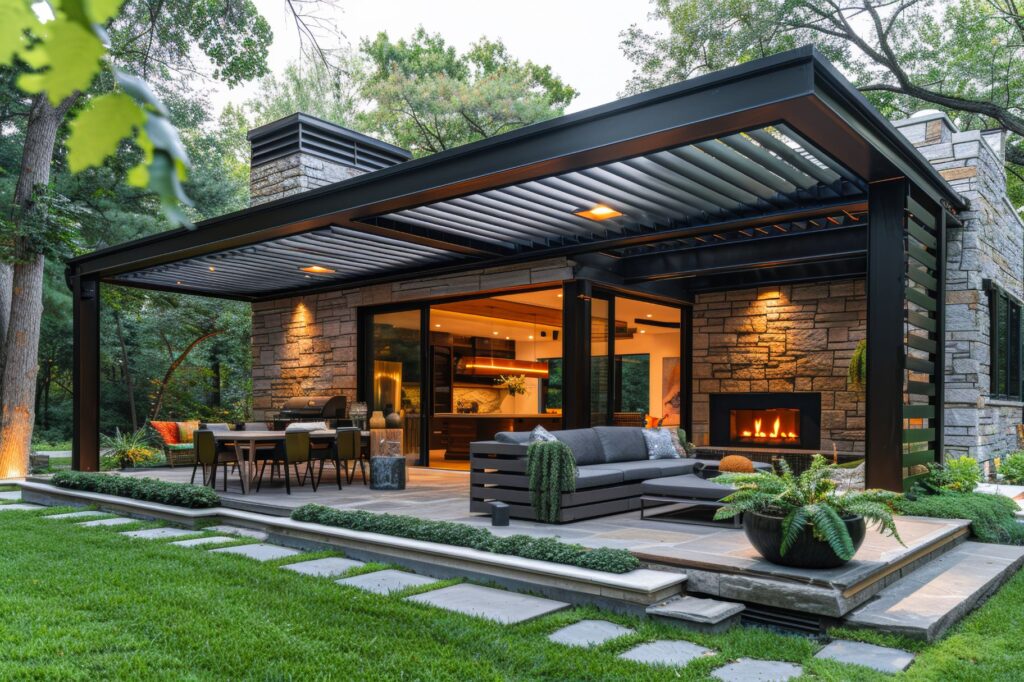
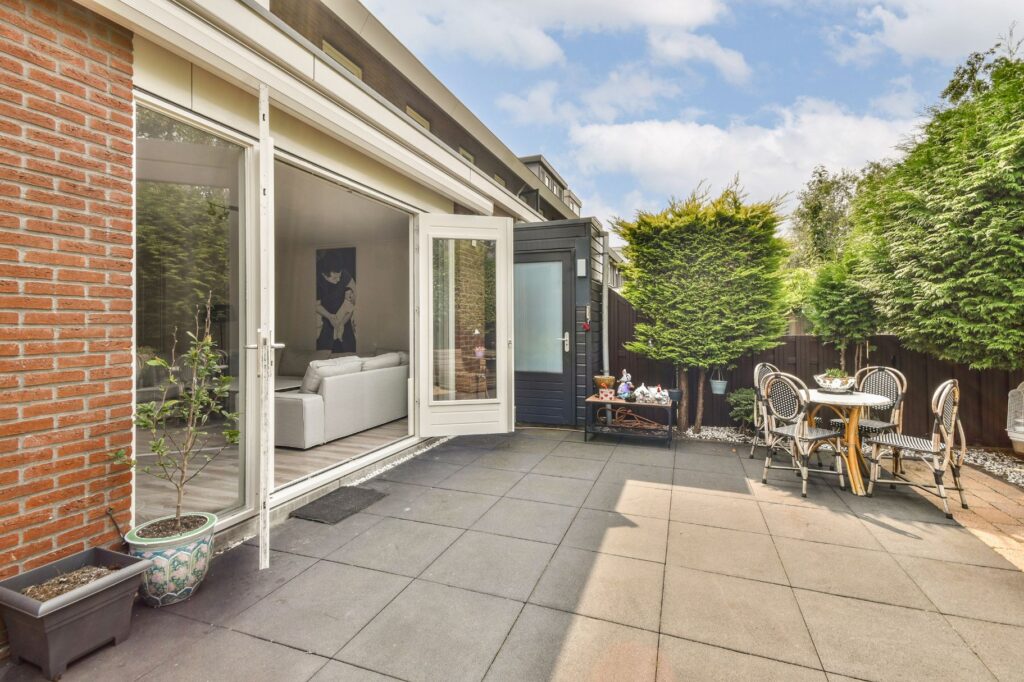
An outdoor space should feel like an extension of the home, not an afterthought. The best designs use consistent materials, colors, and lines to create visual harmony.
If your home’s architecture is modern, stick to clean lines, neutral tones, and minimal ornamentation. Traditional homes often pair well with warmer materials like brick, wood, or natural stone.
Think about the view from the interior too. When you look out from the living room or kitchen, the outdoor space should feel inviting and connected. Align pathways or furniture arrangements with interior sightlines to create a sense of flow.
Lighting also plays a critical role in design cohesion. Install subtle, layered lighting that highlights architectural details and makes the space safe after dark. Well-placed lighting can turn an ordinary patio into an elegant focal point at night.
3. Focus on Functionality and Durability
Outdoor spaces face constant exposure to the elements, so durability is as important as beauty. Choose materials that can handle your local climate and require minimal maintenance.
Popular options include:
- Composite decking: Resistant to moisture, fading, and insects.
- Natural stone: Timeless appearance and excellent durability.
- Concrete pavers: Affordable, clean, and customizable.
- Treated or cedar wood: Warm aesthetic with natural resilience.
When choosing furniture and decor, look for outdoor-rated materials. Aluminum, teak, and resin wicker perform well in various weather conditions. Cushions with quick-dry foam and UV-resistant fabric will maintain their color and comfort longer.
Investing in durable materials reduces the need for constant repairs or replacements, which increases the long-term value of your investment.
4. Integrate Landscaping as Part of the Design
Landscaping completes the picture by softening hard edges and adding texture, color, and movement. Even a small outdoor space can feel rich when layered with greenery.
Start with foundational elements like trees or hedges to frame the area. Add mid-level plants for structure, then finish with low ground covers or planters for depth.
Incorporating native plants is a smart move, as they require less maintenance and adapt better to the local environment. A professional landscaper can design a plan that complements your home’s architecture and reduces water use.
Don’t forget hardscaping details, such as pathways, retaining walls, and built-in seating. These functional features enhance usability while creating a polished, finished look.
5. Build for All Seasons
Many homeowners design outdoor spaces for summer, then find they can’t use them the rest of the year. Planning for seasonal comfort increases both enjoyment and value.
Here are a few ways to extend usability:
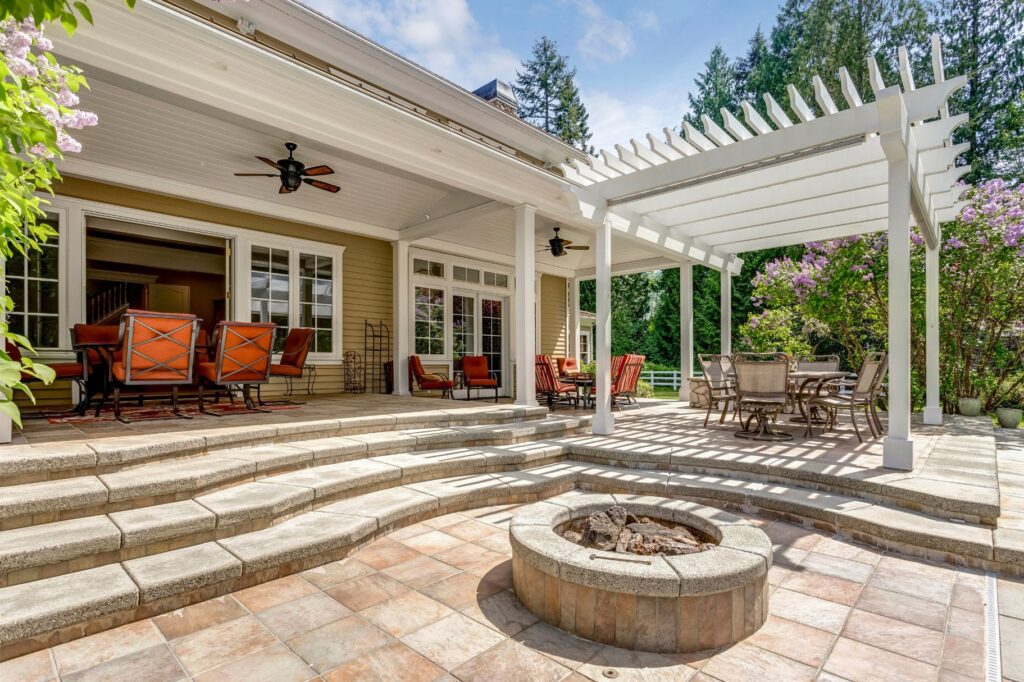
- Add a covered patio or pergola for shade and protection from rain.
- Include fire features, such as a built-in fireplace or portable heater, to make cool evenings comfortable.
- Install fans or misters for warm climates.
- Use outdoor-rated curtains or screens for privacy and wind control.
Designing for multiple seasons turns an outdoor area into a true living space rather than a seasonal luxury. Buyers also recognize this as a strong selling point when evaluating property value.
6. Incorporate Energy-Efficient and Sustainable Features
Sustainability adds measurable and perceived value to any home improvement. Solar lighting, rainwater collection systems, and energy-efficient appliances all contribute to lower operating costs and a lighter environmental footprint.
Consider permeable pavers or gravel to improve drainage and reduce runoff. For decks, look for FSC-certified wood or recycled composites.
Incorporating eco-friendly choices early in design often reduces long-term maintenance and demonstrates environmental awareness, a quality increasingly valued by modern buyers.
7. Keep Maintenance Simple
A beautiful outdoor space loses its charm if it becomes high-maintenance. Select plants that thrive in your region, and simplify irrigation with an automatic drip system or smart sprinkler technology.
When it comes to materials, balance appearance with practicality. Porous stones may stain easily, while certain metals can rust over time. Regular sealing or coating extends lifespan but should be easy to schedule and afford.
Outdoor lighting systems should also be designed for easy upkeep, with accessible fixtures and long-life LED bulbs.
Smart design minimizes future chores, allowing you to enjoy your space instead of constantly maintaining it.
8. Understand How Outdoor Projects Impact Value
Outdoor living investments typically offer one of the highest returns among home improvements. According to recent real estate studies, quality outdoor upgrades can recoup up to 70 percent of their cost when selling a home.
However, not all improvements carry the same weight. Permanent structures like decks, patios, and outdoor kitchens deliver better returns than temporary installations.
What buyers and appraisers often value most are:
- Functional flow between indoor and outdoor areas.
- Durable materials that show longevity.
- Aesthetic balance that enhances curb appeal.
Even if resale isn’t your goal, an improved outdoor area elevates daily living. It becomes a natural gathering space and a reflection of personal style.
9. Work With Professionals Who Understand Both Design and Construction
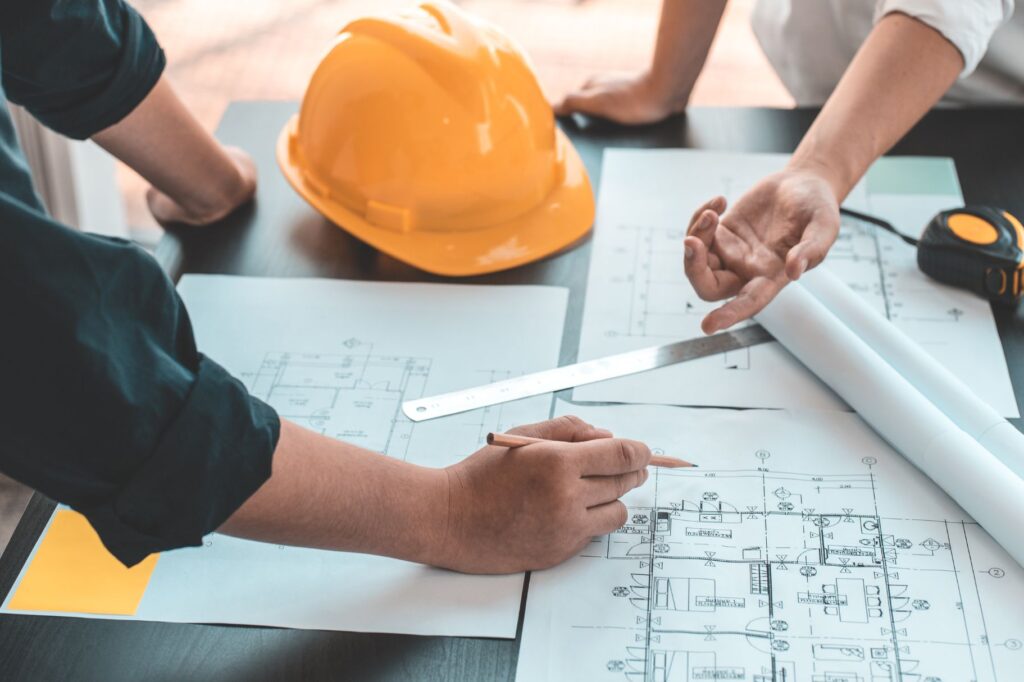
A successful outdoor project requires the same level of planning as interior construction. A contractor experienced in both design and structural work ensures that aesthetics align with practicality.
Good communication at the start prevents common mistakes, such as poor drainage, uneven surfaces, or material mismatches. At CoreStone, we approach outdoor projects as integrated parts of the home, focusing on balance, usability, and long-term quality.
Collaborating with experts also helps coordinate permits, codes, and timelines, allowing you to enjoy the process instead of managing every detail yourself.
Final Thoughts
Outdoor spaces are more than visual additions; they are lifestyle investments. When designed with purpose, built with care, and maintained with simplicity, they expand your living area and enrich your everyday experience.
Whether it’s a small patio, a full backyard transformation, or an outdoor kitchen, each project adds layers of value: emotional, functional, and financial.
Building outdoors with intention ensures your property remains both inviting and strong for years to come. At CoreStone, we believe that true construction excellence doesn’t stop at the walls. It continues outside, where structure meets open air and craftsmanship meets comfort.