When your home begins to show signs of age, the first thought that comes to mind is usually renovation. Maybe the kitchen feels cramped, the foundation needs attention, or energy bills keep rising. Yet sometimes, fixing what exists isn’t the best option. Starting over with a rebuild can save money, improve efficiency, and give you the freedom to design exactly what you want.
At CoreStone, we often guide clients through this same decision. It’s not always obvious which option is smarter, because every home and situation is different. The key is to look beyond appearance and focus on structure, cost, and long-term goals.
1. Evaluate the Structure Before Anything Else
Before thinking about design or aesthetics, evaluate the condition of your home’s structure. Foundations, framing, and roofing define whether your property is strong enough to support a renovation or if rebuilding is the safer route.
A professional structural assessment is worth every dollar. A licensed contractor or engineer can uncover issues that are not visible, like water intrusion, compromised beams, or aging wiring.
If your home’s frame is solid and foundation stable, renovation could make sense. But if the building envelope is deteriorated, a rebuild may actually cost less in the long term. Extensive structural repairs often add up faster than starting fresh.
Another factor is local code compliance. Older properties might not meet current energy or safety standards. Upgrading them can require full rewiring, replumbing, or insulation replacement, which adds time and expense.
2. Consider the Emotional and Practical Value of the Home
Homes are more than structures. They hold memories, routines, and sentimental value. For many homeowners, keeping the original walls and layout feels right, even when renovation is complex.
Ask yourself how much of your home’s character you want to preserve. Are you attached to its history or architectural style, or would you prefer a design that reflects how you live today?
Renovation allows you to retain that connection while improving comfort and functionality. However, if the existing layout limits your needs or your family has outgrown the space, rebuilding offers freedom that renovation can’t.
In practical terms, think about your neighborhood too. If your current location is ideal, a rebuild gives you a modern home without sacrificing the convenience of where you live.
3. Compare the Financial Reality
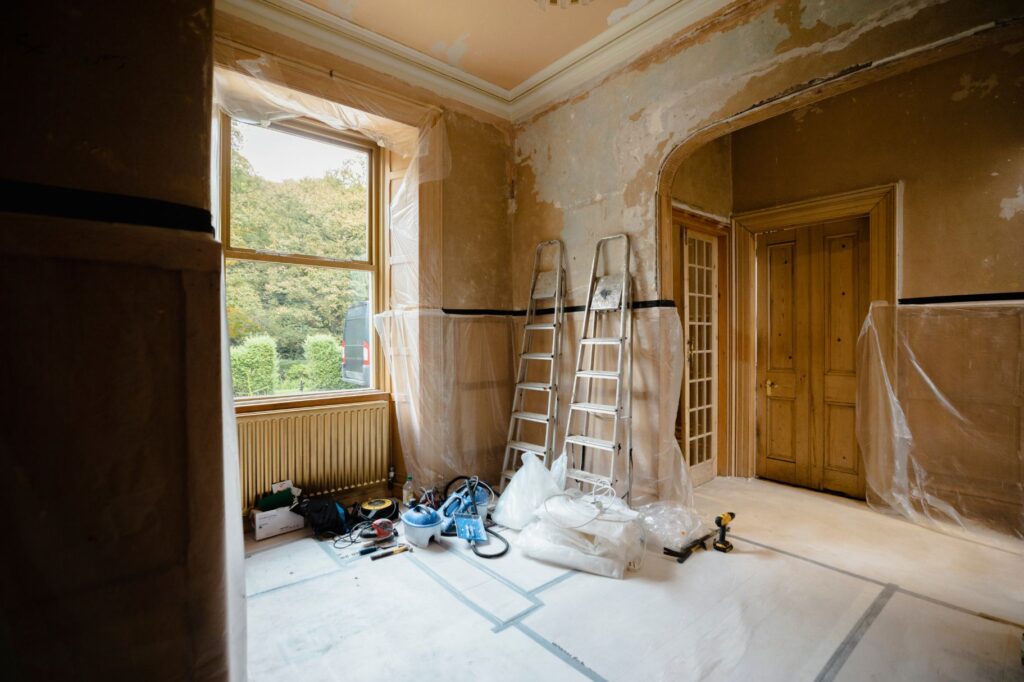
Money often becomes the deciding factor between renovation and rebuild. At first glance, renovation appears less expensive, but it can come with hidden costs. Once walls are opened, it’s common to find outdated plumbing, structural decay, or inadequate wiring.
Rebuilding typically involves higher upfront costs, yet fewer unknowns. You start with a clean slate, which allows for better budgeting and fewer mid-project surprises.
Here’s a basic way to evaluate both paths:
- Renovation: Lower initial investment but higher risk of unforeseen expenses.
- Rebuild: Higher initial cost but more predictable long-term value and performance.
Also, consider property taxes and insurance. A new home might raise your property’s assessed value, but it will likely be more energy-efficient, durable, and easier to insure.
Before deciding, request detailed estimates for both options. A transparent contractor will explain where your money goes and how to balance short-term spending with long-term gain.
4. Evaluate Energy Efficiency and Maintenance
Modern homes are built to stricter efficiency standards than those from 20 or even 10 years ago. Improved insulation, high-performance windows, and energy-efficient HVAC systems reduce utility costs significantly.
If your home is older, renovation can bring big improvements, but only to a point. Certain layouts or wall types make it difficult to achieve full efficiency.
Rebuilding, on the other hand, allows you to design with sustainability in mind from the start. You can orient rooms for natural light, select eco-friendly materials, and include technologies like solar readiness or smart home systems.
Maintenance is another factor. Renovated homes often carry older components that may still require replacement later. A new build minimizes ongoing upkeep and provides warranties for most major systems.
5. Think About Time and Disruption
Renovations can often be completed while you remain in your home, but they still create noise, dust, and daily interruptions. Depending on the scale, large remodels can take several months and sometimes require temporary relocation.
Rebuilds take longer overall but follow a more predictable timeline. You start fresh, move out, and return to a fully finished property.
If your family schedule or work-from-home situation makes living through renovation difficult, that’s worth considering. Time and comfort carry their own value, not just dollars.
6. Understand the Impact on Property Value
A well-executed renovation increases resale value, especially when it modernizes kitchens, bathrooms, and key living areas. Yet there are limits to how much return you can achieve without addressing the entire structure.
A rebuild resets your property’s lifespan entirely. New homes often sell faster and command higher prices because they meet current building codes and buyer expectations.
However, resale should not be the only factor. If you plan to stay long-term, choose the option that supports your lifestyle and future needs.
At CoreStone, we’ve seen clients double their property value through complete rebuilds, while others gained equal satisfaction by renewing a home that carried sentimental importance. There is no single right answer, only the right approach for your situation.
7. Check Local Regulations and Permitting
Local building regulations can strongly influence your decision. Some neighborhoods have zoning laws that limit demolitions or restrict new designs. Others encourage redevelopment as part of urban renewal.
Before committing, verify with your local planning department what permits are required for each option. Rebuilding often demands more documentation but can also qualify for certain efficiency or sustainability incentives.
A contractor familiar with your region can guide you through the process, saving time and ensuring compliance from the start.
8. Plan for the Long-Term Lifestyle You Want
Think beyond the next few years. Does your current home design allow for aging in place, growing your family, or adapting to new work habits? A rebuild can create flexibility through open layouts, accessible spaces, and modern features.
If you renovate, prioritize updates that add function and comfort rather than superficial changes. For example, opening floor plans, improving insulation, or upgrading mechanical systems creates long-term value that new paint alone cannot.
Both paths can succeed if planned with longevity in mind. The real goal is to create a home that fits who you are now and who you’ll become later.
Final Thoughts
Choosing between renovation and rebuild isn’t a simple cost comparison. It’s about balancing emotion, practicality, and future goals. The right answer depends on how much of your existing structure is worth saving and how much change your life truly requires.
Renovation preserves character and memory while improving comfort. Rebuilding offers control, efficiency, and design freedom. Either way, thoughtful planning ensures your investment supports your lifestyle for decades.
At CoreStone, we help clients evaluate both options honestly. By understanding your goals, assessing structural realities, and planning with precision, we make the path forward clear. Whether you decide to renew or rebuild, confidence comes from clarity, and clarity begins with asking the right questions.