
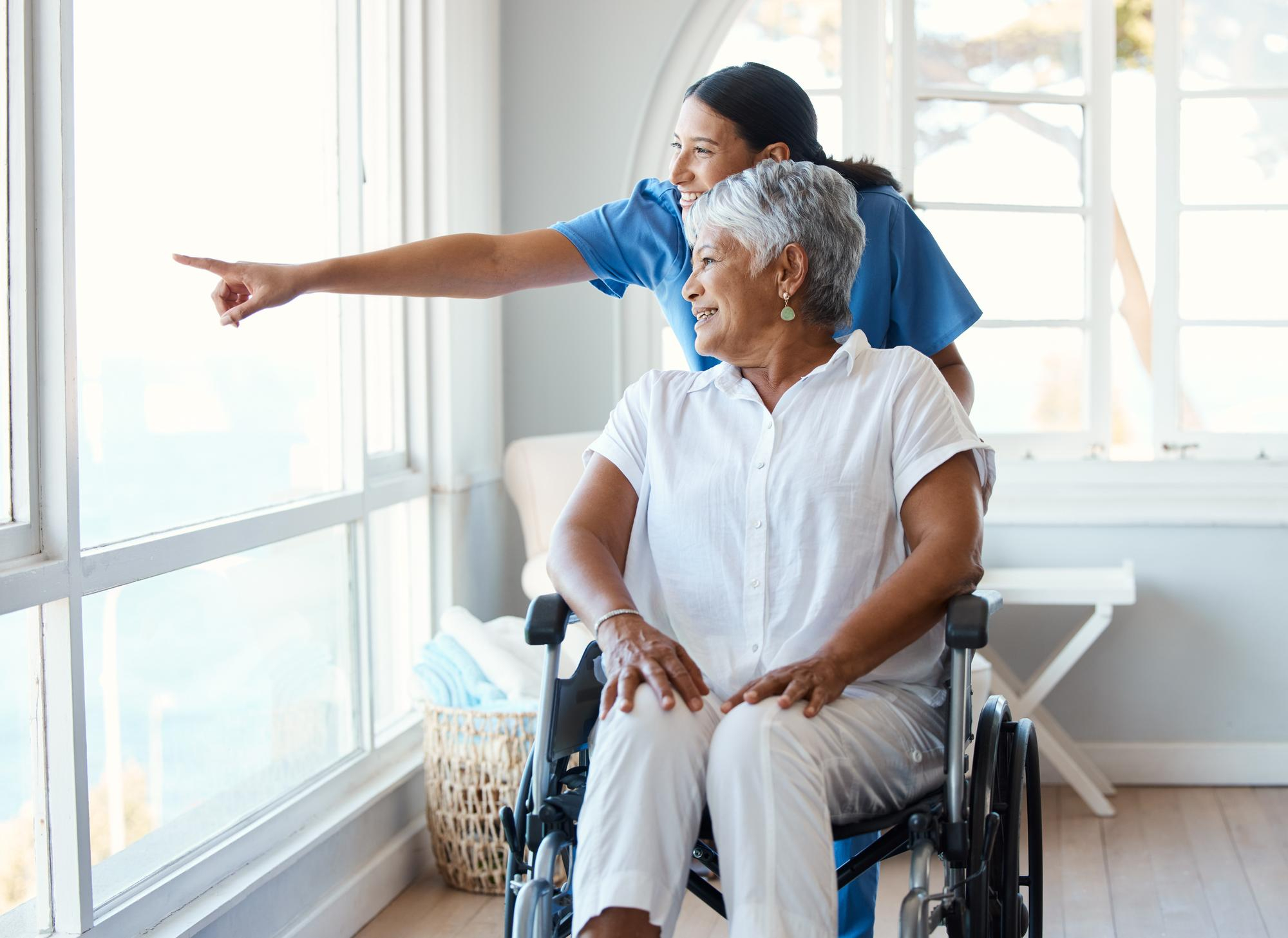
Imagine settling into your daily routine with the comfort of knowing that all your health needs, big and small, are being met with precision and care. This is the daily experience professional home care aims to provide for seniors. It’s more than just a helping hand with basic tasks like bathing or dressing; it’s about weaving a fulfillment of medical, emotional, and lifestyle needs into everyday living. The true brilliance of these services lies in their personalized nature—everything from meal preparation to fitness activities is selected and tailored with the individual’s preferences and health conditions in mind.
Around the clock, caregivers are not just attending to your loved one’s physical needs; they are engaging their minds and nurturing their spirits through companionship and shared moments, creating a holistic care experience that addresses the broad tapestry of senior living. And even as our loved ones age, or as you find yourself reaching this stage in life, the reassurance that comes from a professional’s vigilant presence amplifies the overall quality of life, providing a sense of security and ease. This kind of care is less about managing decline and more about nurturing life through mindful guidance and support.
Understanding Professional Home Care Services for Seniors
To truly appreciate the breadth and depth of professional home care services for seniors, it’s crucial to understand the array of care options available. Professional home care for seniors isn’t just about providing assistance with daily activities—it offers a comprehensive suite of services designed to address both medical needs and enhance quality of life.
Home care services for seniors encompass an extensive range of supportive tasks including personal care, such as bathing and dressing, alongside medical supervision by qualified health professionals who can manage medications and monitor health conditions like diabetes or hypertension.
Moreover, emotional support forms a critical component of these services, ensuring that seniors not only maintain their physical health but also their emotional wellbeing. Each service is meticulously tailored to fit the individual’s health requirements and lifestyle preferences, from customized meal planning to facilitate healthier nutrition, to medically supervised exercise routines aimed at maintaining mobility and independence.
To illustrate the functionality of these services, consider the daily routine of a senior receiving professional home care. A dedicated caregiver arrives in the morning to assist with morning hygiene routines, ensuring that personal care tasks are handled with dignity and respect. This might be followed by the preparation of a nutritious breakfast tailored to the senior’s dietary needs, which is not just a meal but a moment of companionship and uplifting conversation.
As the day unfolds, the caregiver may engage the senior in cognitive activities such as puzzles or memory games, which play a crucial role in mental stimulation. Simultaneously, health checks are seamlessly integrated—monitoring blood pressure, or ensuring medication is taken on time and in the correct dosage, thus preventing potential health crises. Through emotional support activities, such as a companionable walk in the garden or a chat over photographs, caregivers provide emotional nourishment that enriches the senior’s day-to-day life.
The Hidden Health Risks Faced by Seniors Without Professional Care
Without professional home care, seniors face several hidden health risks that can significantly impact their quality of life and overall well-being. For instance, falls are among the most common health risks for older adults as they age. The lack of supervision and assistance in a home environment often leads seniors to underestimate the hazards of everyday activities. According to the Centers for Disease Control and Prevention, falls result in more than 3 million visits to emergency departments each year by older adults, and they are the leading cause of both fatal and non-fatal injuries in this demographic.
In a setting where a trained caregiver is present, potential fall risks can be identified and mitigated—through simple adjustments like securing loose rugs, improving lighting, and promoting safe walking practices. In addition to environmental modifications, caregivers play a critical role in providing mobility assistance and guiding seniors through physical exercises designed to improve balance and strength, thereby substantially reducing the likelihood of falls.
Moreover, the management of medications is another crucial aspect of senior care where professional oversight proves invaluable. Mismanagement, such as skipping doses or taking incorrect dosages, can lead to severe health complications. Reports suggest that more than 30% of hospital admissions for adults over the age of 65 are due to medication-related issues, many of which are preventable.
A professional caregiver ensures medications are taken accurately according to the prescribed schedule, often using methods like pill organizers and setting reminders to circumvent lapses in memory. This personalized attention safeguards seniors against the potentially dangerous consequences of taking medications improperly. Furthermore, caregivers are trained to recognize side effects or complications that may arise, facilitating timely medical intervention when necessary.
The Emotional Toll of Loneliness and Isolation on Elderly Well-being
Loneliness in seniors can have devastating effects on mental and emotional health, making the work of professional caregivers invaluable. Isolation not only compounds the emotional distress but can exacerbate physical and cognitive decline. Numerous studies have indicated that loneliness often leads to depression among seniors, creating a vicious cycle where the lack of social interaction worsens their mood, further reducing the motivation to engage with others. Various reports, such as those from the National Institute on Aging, have shown that depression can also take a severe toll on physical health, linking chronic loneliness to increased inflammation and weakened immune systems.
Sadly, when seniors lack the daily, meaningful interactions provided by caregivers, they face a higher risk of succumbing to these debilitating health issues. A professional caregiver serving as a consistent presence offers not just companionship but also fosters an emotionally supportive relationship, helping seniors feel valued and understood, thereby combating feelings of insignificance and isolation.
Neglecting these vital social needs can lead not only to deteriorating mental health but also pose broader societal costs. For families who choose to undertake care themselves, unprepared and undertrained, the emotional burden can be heavy, and often unanticipated. You may not only find yourself stretched thin trying to balance caregiving with other responsibilities, but it can also affect your relationships and personal well-being. According to a study published by AARP, caregiver stress and depression are significant issues; approximately 40-70% of family caregivers exhibit clinically significant symptoms of depression.
Moreover, the day-to-day stress of caregiving can often overshadow precious moments that could otherwise be spent nurturing positive relationships with your loved ones. Contrast that with professional home care, which relieves these stresses, allowing families to focus on quality interactions rather than the logistical worries of caregiving. The emotional security provided by home caregivers thrives on creating moments of connection—be it through shared laughter, engaging conversations, or simply being there to listen.
In addition to reducing the emotional and physical strain on family caregivers, the benefits of home care for seniors are profound. Caregivers do much more than assist with daily tasks; they become trusted companions who improve a senior’s overall quality of life. Simple activities like accompanying seniors on walks, engaging them in tailored recreational activities, or sharing a meal transform the home care experience into an emotionally enriching journey.
The emphasis is placed on holistic care that integrates physical, mental, and emotional support into every interaction. This approach is essential in helping seniors lead fulfilling lives free from the grips of loneliness—encouraging not just longer lives, but richer, more vibrant ones. By choosing professional care, you are ensuring that your loved one benefits from consistent social engagement, fostering emotional resilience against the detrimental effects of loneliness. Remember, investing in their emotional well-being with professional home care is more than an act of care; it’s an act of love.
As we navigate through the complex considerations of senior care, it becomes evident how professional services manage to harmonize every facet of well-being for elders. This harmony isn’t just about attending to basic needs but weaving together all aspects of health, safety, and personal fulfillment into the tapestry of everyday life. Whether it’s the fine balance of managing chronic ailments or organizing a delightful afternoon of social engagement, professional caregivers offer an extensive, profound impact on the lives they touch.
Offering such comprehensive care, at Willoway Care, our team excels at turning these insights into practice. We understand that every senior deserves a holistic approach, one that brings happiness, health, and dignity to their lives. Our rich array of services not only eases physical tasks but also nurtures the emotional dimensions of each individual. Families considering professional home care will find our services designed with both compassion and expertise, tailored specifically for the unique needs of your loved one. At each step, we harness years of experience to provide **customized care solutions** that truly capture what it means to feel cherished at home. Whether discussing care plans or inquiring about specific services, we invite you to reach out at +1 (860) 834-8764 or email us at info@willowaycare.com, where our dedicated team is ready to answer your questions and guide you through the various options available, ensuring you find the best fit for your family’s needs.