
What is the History of Aromatherapy in Spiritual Practices?
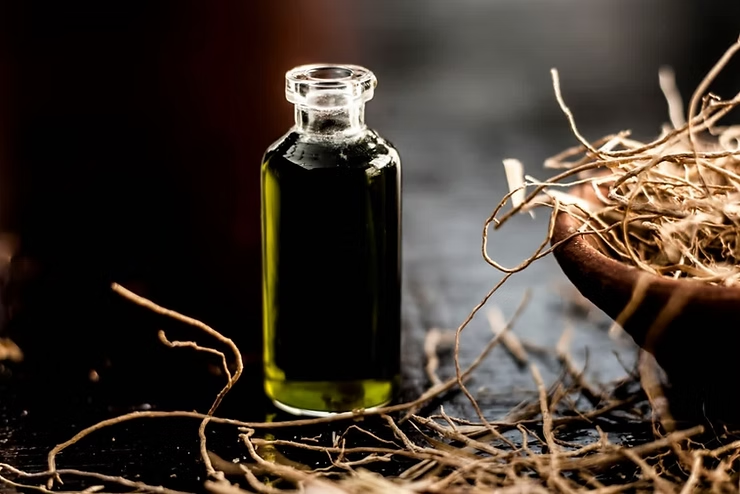
The journey into the ancient roots and evolution of aromatherapy in spiritual practices presents a tapestry woven with the threads of time and tradition. As we meander through the chronicles of aromatic wisdom, it becomes apparent that these practices were not mere perfunctory rituals; rather, they were profound expressions of the human connection to the divine. Whether through the sacred incense offered in temples or the soothing oils used in medicinal treatments, each culture left an indelible mark on the holistic approach to well-being, merging the physical, spiritual, and emotional realms. The Ancient Foundations of Aromatherapy When exploring the ancient foundations of aromatherapy, one cannot overlook the pivotal role that ancient Egypt played in its development. The Egyptians were pioneers in the use of aromatic substances, which were deeply integrated into their spiritual ceremonies, healing rituals, and daily life. The process of extracting essential oils through steam distillation was one of their renowned contributions, demonstrating a remarkable level of sophistication. Aromatic substances like frankincense and myrrh were ubiquitous in their religious practices, often burnt as offerings to deities to purify the air and appease the gods. These resins were also employed in the process of embalming, underscoring their importance in both life and death. For daily use, Cleopatra is said to have used rose and jasmine oils as part of her beauty regimen, highlighting the intertwining of aromatics with individual wellness and allure. Transitioning to ancient China, the history of aromatherapy reveals a culture rich with the knowledge and application of aromatic plants. Traditional Chinese Medicine (TCM) has utilized herbs and essential oils for thousands of years, melding these practices into their medical theories based on balance and harmony. Mugwort and ginger were common, employed for their warming and transforming qualities, often used in moxibustion to facilitate the flow of qi (life force). Chinese aromatherapists recognized the profound impact that scents had not just on physical well-being but also on mental and emotional states. Incense burning, using sandalwood, agarwood, and other woods, was a prevalent practice in temples, aiding meditation and other spiritual practices. The use of these aromatic substances illustrated their belief in the power of nature to provide healing and spiritual balance. In ancient India, the roots of aromatherapy history extend deeply into Ayurveda, one of the world’s oldest holistic healing systems. Ayurvedic texts, dating back over 3,000 years, document the use of essential oils for both medicinal and spiritual purposes. Essential oils such as sandalwood, holy basil (tulsi), and turmeric were highly valued not only for their physical healing properties but also for their spiritual significance. Sandalwood, for example, was used extensively in meditation and religious rituals due to its grounding and calming effects. Tulsi, revered as a sacred plant, was believed to purify and protect the mind and body. These practices reflect a profound understanding of how aromatic substances could be harnessed to promote balance and well-being, both in day-to-day life and in spiritual pursuits. Aromatic Traditions Across Cultures When considering aromatic traditions across cultures, one must not overlook the profound influence of ancient Greece. The Greeks adopted and adapted aromatic practices from the Egyptians, advancing them with their own scientific inquiries and philosophical reflections. Aromatic herbs such as thyme, oregano, and rosemary were integral to their medicinal practices and spiritual ceremonies. Hippocrates, often regarded as the father of modern medicine, advocated for the use of essential oils and aromatic herbs to maintain health and wellness. It is said that he recommended daily aromatic baths and massages with oils like myrtle to invigorate the body and mind. Greek civilization also saw the use of these aromas in the gymnasia, where oils in massages played a fundamental role in conditioning athletes both physically and spiritually. Within religious contexts, aromatic substances such as lavender and frankincense were used to enhance connections with the divine, purify sacred spaces, and facilitate worship practices. Moving to the realm of ancient Rome, the Romans built upon the Greek knowledge, integrating aromatic herbs in spirituality and daily life with a penchant for luxury and indulgence. The emphasis on baths and grooming rituals was central to Roman culture, with public bathhouses serving not only as places for hygiene but also as hubs of social activity. Infused oil massages and aromatic steam rooms using herbs like chamomile and mint were a common thread in the Roman pursuit of relaxation and spiritual rejuvenation. Moreover, their spiritual practices were heavily infused with aromatic elements. The priests, known as Flamines, often used incense and floral garlands in rituals to honor gods like Vesta and Juno, believing that the fragrant smoke carried prayers to the deities. The Roman soldiers even carried sachets of lavender and sage to provide protection and courage on the battlefield. Native American tribes revered plants like sage, cedar, and sweetgrass for their purifying properties. These plants were used in smudging ceremonies to cleanse spaces and individuals of negative energies, illustrating a nuanced understanding of aromatics in maintaining spiritual harmony. Shamans in Amazonian tribes similarly utilized an array of aromatic herbs in their healing rituals, employing plants like ayahuasca for their psychoactive and spiritual qualities. Indigenous Australian communities often used eucalyptus in their healing practices, leveraging its antiseptic properties and its profound ability to clear and focus the mind. The use of aromatic plants in these cultures was inextricably linked to their spiritual worldviews and their stewardship of the natural environment, reflecting a holistic approach to well-being that bridged the material and the spiritual realms. Aromatherapy in Modern Spirituality When reflecting on how past traditions inform present practices, it becomes evident that the profound wisdom of ancient cultures is not just a relic of history but a thriving force in modern spirituality. Aromatherapy and grounding have found a significant place in contemporary spiritual practices, aiding individuals in reconnecting with themselves amidst the chaos of daily life. This modern application often involves essential oils like vetiver and patchouli, renowned for their earthy scents, which are used to anchor individuals during spiritual rituals. Vetiver, made from holy