
As families look for safe and supportive options, home nursing care has become one of the most trusted solutions for seniors. This article explains how professional care at home helps improve comfort, health, and peace of mind.
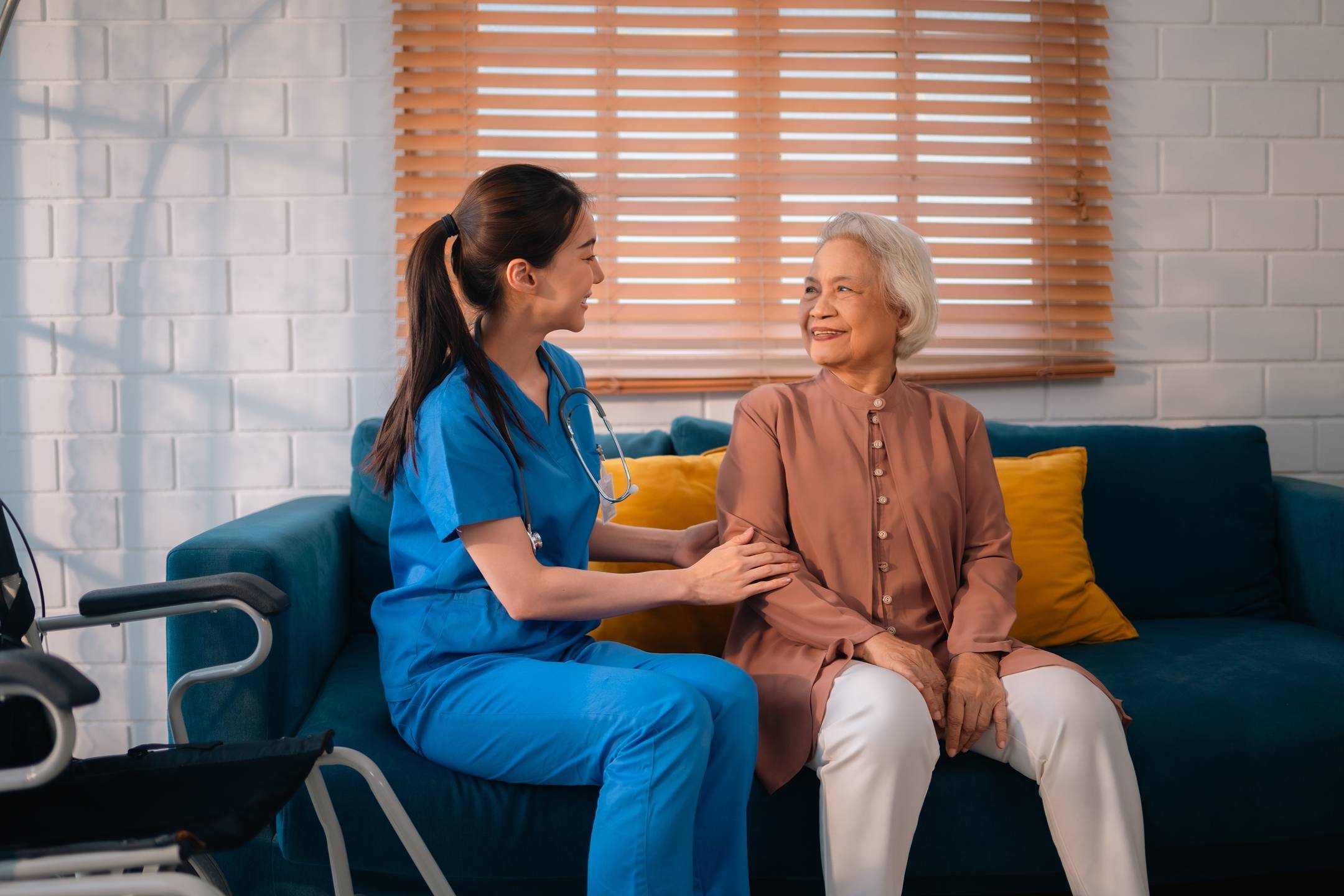
When a family member needs medical attention after surgery or because of chronic illness, choosing the right in-home nursing care can become one of the most important decisions you make. The right care helps ensure safety, comfort, peace of mind, and better recovery outcomes. In this post you will find key factors to consider, questions to ask, and how to make sure you hire skilled professionals who truly understand home nursing.
In-home nursing care refers to professional medical services provided in a patient’s residence rather than in a clinic or hospital. This service might include wound care, medication administration, monitoring vital signs, helping with mobility, and coordinating with doctors. It lets patients stay in familiar settings where healing often goes smoother because they are surrounded by what they know and love.

Many providers train nurses in emergency response protocols. Confirm whether the provider has a plan, backup staff, or connections with local medical services in case of urgent need.
What safety measures are in place during home visits?
Ask about hygiene practices, background checks, vaccination status, and whether nurses follow guidelines for infection control.
Clear space around beds and walkways for mobility devices.
Install safety bars and non-slip mats in bathrooms.
Keep contact numbers easily visible.
Have medical documents and prescriptions at hand for the nurse.
Selecting the right in-home nursing care provider is not only about medical skills. It is about trust, compassion, safety, and fit. By focusing on credentials, experience, communication, and personalization you can ensure that your loved one receives care that supports healing in a setting that feels like home. When you make an informed choice you make a real difference in their quality of life.
Stay connected with BlueHaven Care. Get helpful health tips, caregiving advice, and updates about our home nursing services delivered straight to your inbox.
Professional home nursing care and support, bringing comfort and health to your doorstep.
200 N Spring St, Los Angeles, CA 90012, United States
+1 215-555-2837