
Staying active is key to maintaining independence and confidence as we age. In this guide, you’ll find simple exercises and mobility tips designed to help seniors move safely at home.
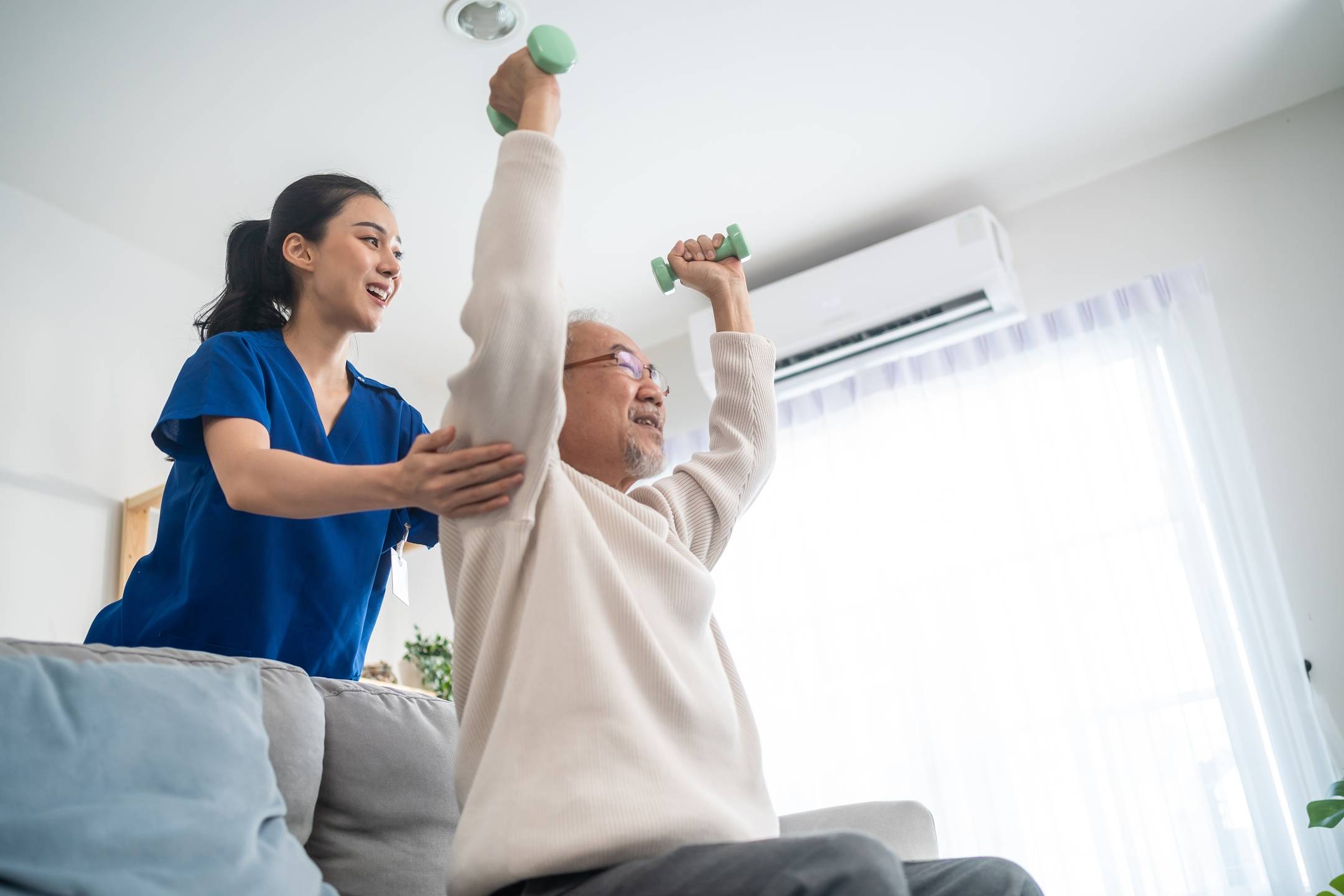
Staying active in older age is one of the most effective ways to maintain health, independence, and overall quality of life. For seniors living at home, gentle exercises and safe mobility routines can prevent injuries, improve circulation, and help reduce the risk of chronic conditions. Families and caregivers often wonder what activities are safe, practical, and easy to introduce at home. This article highlights simple daily exercises and mobility tips designed for elderly individuals, with practical advice for caregivers looking to support their loved ones.
Regular movement helps keep muscles strong, joints flexible, and balance stable. Lack of activity increases the risk of falls, weakness, and other health challenges. Exercise is not only about physical strength but also about confidence and independence. Many seniors who adopt consistent routines notice improvements in sleep, mood, and overall energy.
Here are practical activities that can be performed at home with little to no equipment. Always consult with a doctor or nurse before starting any new program, especially if there are existing health conditions.
Sit in a sturdy chair with both feet on the floor.
Lift one knee at a time as if marching in place.
Repeat 10 to 15 times per leg.
Hold the back of a chair or countertop for balance.
Lift your heels slowly so you are standing on your toes.
Lower back down and repeat 10 to 12 times.
While seated or standing, extend arms to the sides.
Slowly make small circles forward, then backward.
Do 10 circles in each direction.
Stretch arms overhead and hold for 10 seconds.
Stretch legs out while seated and flex the feet.
Repeat several times throughout the day.
Walk through the hallway or around the living room for 5 to 10 minutes.
Use a walker or cane if needed.
Here are practical activities that can be performed at home with little to no equipment. Always consult with a doctor or nurse before starting any new program, especially if there are existing health conditions.
1. Seated Marching
Sit in a sturdy chair with both feet on the floor.
Lift one knee at a time as if marching in place.
Repeat 10 to 15 times per leg.
This exercise improves circulation, strengthens leg muscles, and helps with hip flexibility.
2. Standing Heel Raises
Hold the back of a chair or countertop for balance.
Lift your heels slowly so you are standing on your toes.
Lower back down and repeat 10 to 12 times.
Heel raises improve calf strength and ankle stability, which are key for walking safely.
3. Arm Circles
While seated or standing, extend arms to the sides.
Slowly make small circles forward, then backward.
Do 10 circles in each direction.
This supports shoulder mobility and reduces stiffness.
4. Gentle Stretching
Stretch arms overhead and hold for 10 seconds.
Stretch legs out while seated and flex the feet.
Repeat several times throughout the day.
Stretching reduces stiffness and helps keep joints more flexible.
5. Walking Indoors
Walk through the hallway or around the living room for 5 to 10 minutes.
Use a walker or cane if needed.
Walking strengthens the heart, improves coordination, and helps reduce feelings of isolation.
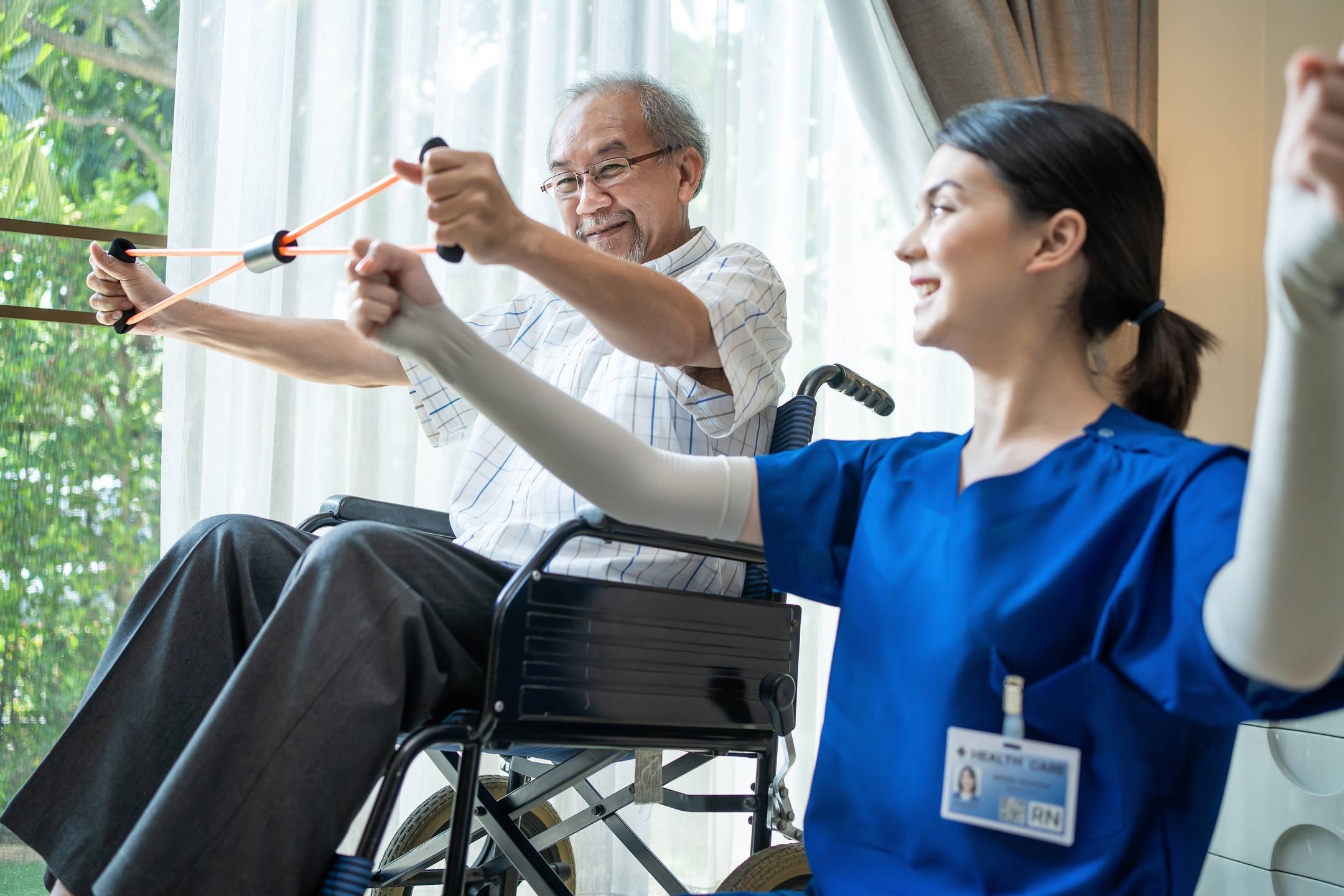
Safety is just as important as the exercises themselves. Making small adjustments to the home environment reduces risks and encourages more movement.
Keep Pathways Clear
Remove loose rugs, electrical cords, or clutter that could cause trips and falls.
Add Support Bars
Install grab bars in bathrooms and along hallways where extra stability is needed.
Good Lighting
Make sure hallways, stairs, and bathrooms are well lit to prevent accidents during the night.
Supportive Footwear
Encourage wearing non-slip shoes indoors. Avoid slippers that can slide or cause instability.
Use Mobility Aids Correctly
Walkers and canes should be the right height and properly adjusted. Ask a nurse or therapist to check if they are being used safely.
Motivation plays a major role in keeping seniors engaged in movement. Here are practical ways families can help.
Set Daily Reminders: Gentle reminders at the same time each day create consistency.
Make it Social: Exercising with a family member or caregiver makes the activity enjoyable.
Track Progress: Simple notes or checklists show improvements over time and encourage persistence.
Celebrate Small Wins: Even completing a short walk or a few stretches is a step in the right direction.
If an elderly family member struggles with mobility or shows signs of weakness, it may be time to consult with a healthcare provider. Skilled nursing services and rehabilitation therapy can offer structured routines and medical oversight. A trained nurse or physical therapist can also adapt exercises based on medical conditions like arthritis, diabetes, or heart disease.
Daily exercise for seniors living at home does not need to be complicated. Gentle activities such as seated marching, heel raises, and walking indoors can improve strength, balance, and independence. Combined with home safety adjustments and encouragement from caregivers, these small steps make a large difference. Supporting mobility is not only about physical health but also about giving seniors confidence and dignity in their everyday lives.
Stay connected with BlueHaven Care. Get helpful health tips, caregiving advice, and updates about our home nursing services delivered straight to your inbox.
Professional home nursing care and support, bringing comfort and health to your doorstep.
200 N Spring St, Los Angeles, CA 90012, United States
+1 215-555-2837